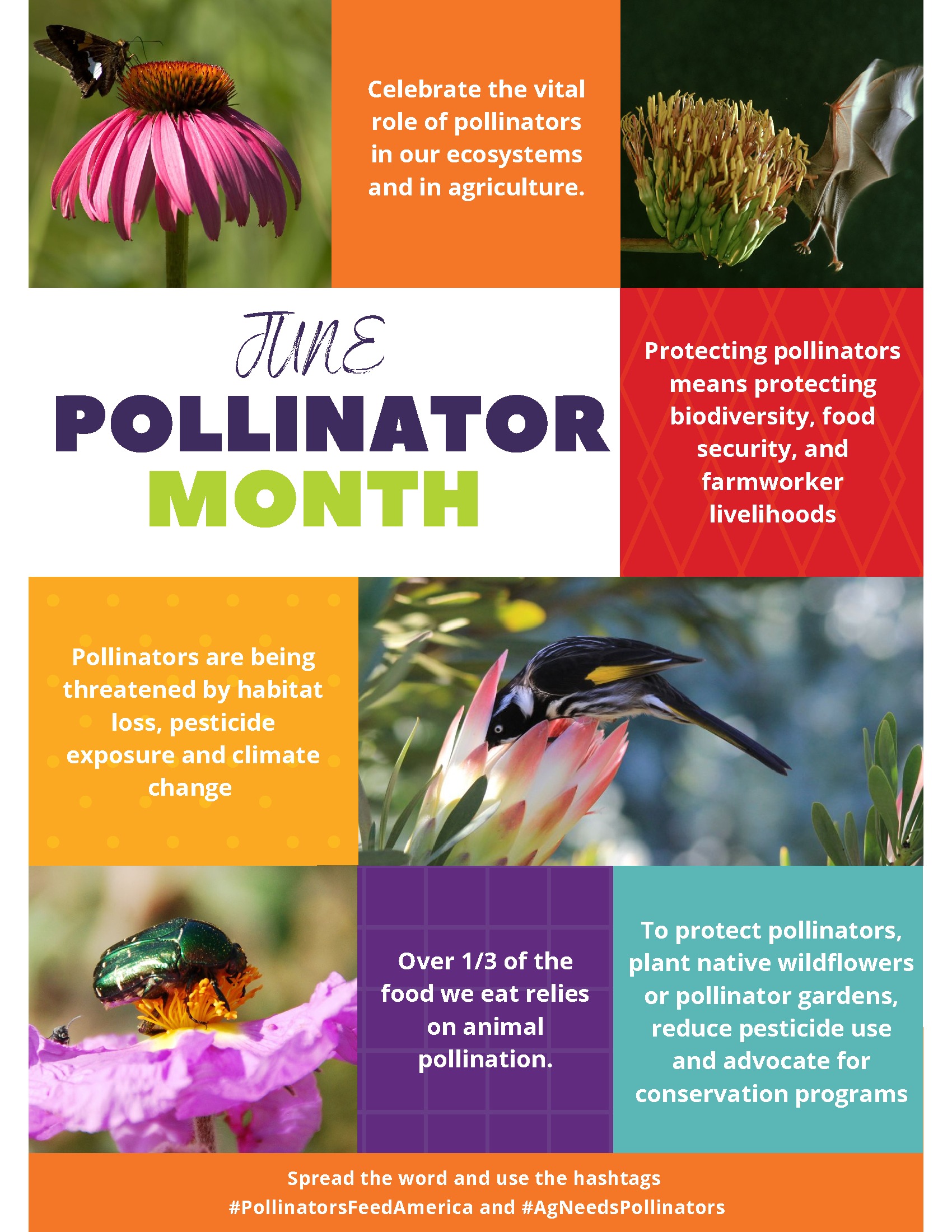
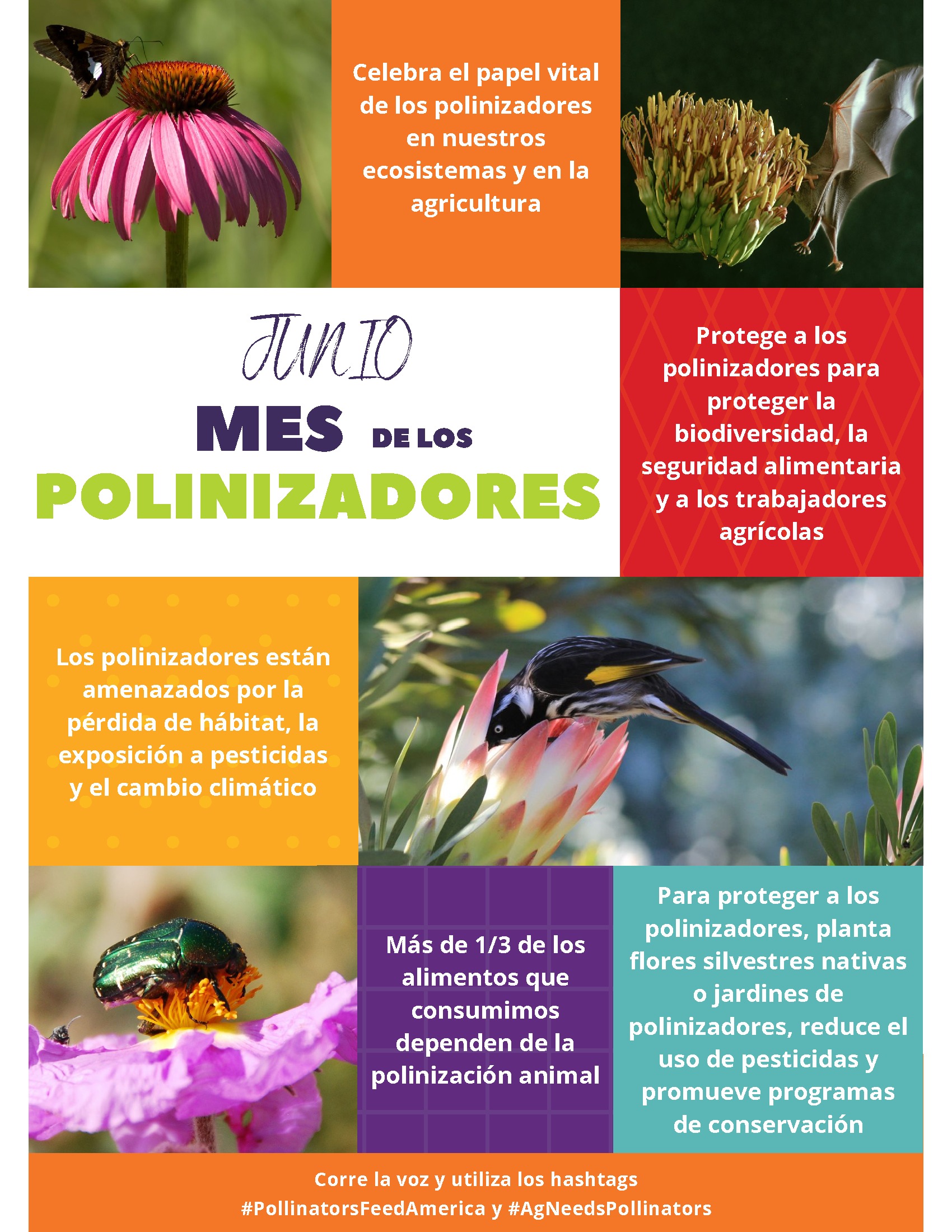
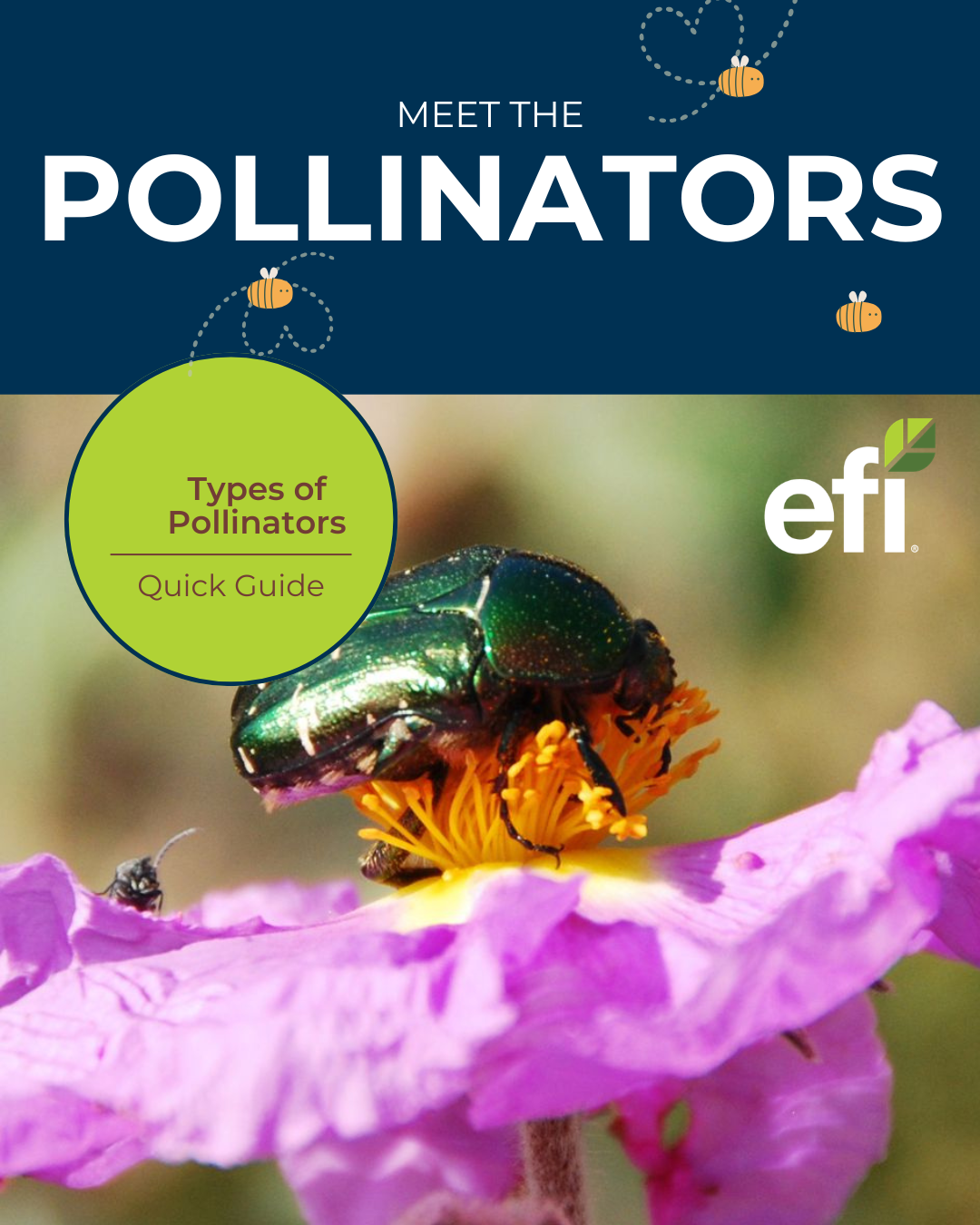
Pollinator Month is a time to celebrate the vital role pollinators play in our ecosystems and the agricultural system. This toolkit helps raise awareness about the many different types of pollinators beyond the beloved honey bees and butterflies, and how they contribute to our food system, farmers’ livelihoods, and the U.S. economy.
Use these resources to engage your community, spark conversations, and promote pollinator-friendly actions! Amplify the message and incorporate the hashtags #BeeTheChange#PollinatorsFeedAmerica and #AgNeedsPollinators.
Click every + below to open the description and learn more:
What is Pollinator Month?
Pollinator Month is a vital opportunity to raise awareness about the essential role pollinators play in our ecosystems and food systems. In a country where chemical-based fertilizers and pesticides are used daily, it’s more important than ever to cultivate conscious growers and informed consumers who can help protect these small but mighty creatures that make a big difference in the world.
Somewhere between 75% and 95% of all flowering plants on the earth need help with pollination – they need pollinators. Pollinators provide pollination services to over 180,000 different plant species and more than 1200 crops. That means that one out of every three bites of food you eat is there because of pollinators¹.
Where to Get Shareable Resources
Access our digital toolkit below to find shareable flyers and social media graphics designed to help you spread the word about pollinator health. Click here to go directly to that section.
How to Protect Pollinators through IPM?
Integrated pest management, or “IPM,” is the basis for all pest management decisions. IPM is a process used to solve pest problems while minimizing risks to people and the environment. IPM focuses on long-term prevention through ecosystem management. Fundamental to IPM is regular monitoring to correctly identify all potential pests and determine if they are present at levels that represent a real economic threat in terms of crop yields or quality. If warranted, the most effective management approaches involve the use of different methods (biological, cultural, physical, or, as a last resort, chemical controls) in combination rather than separately.
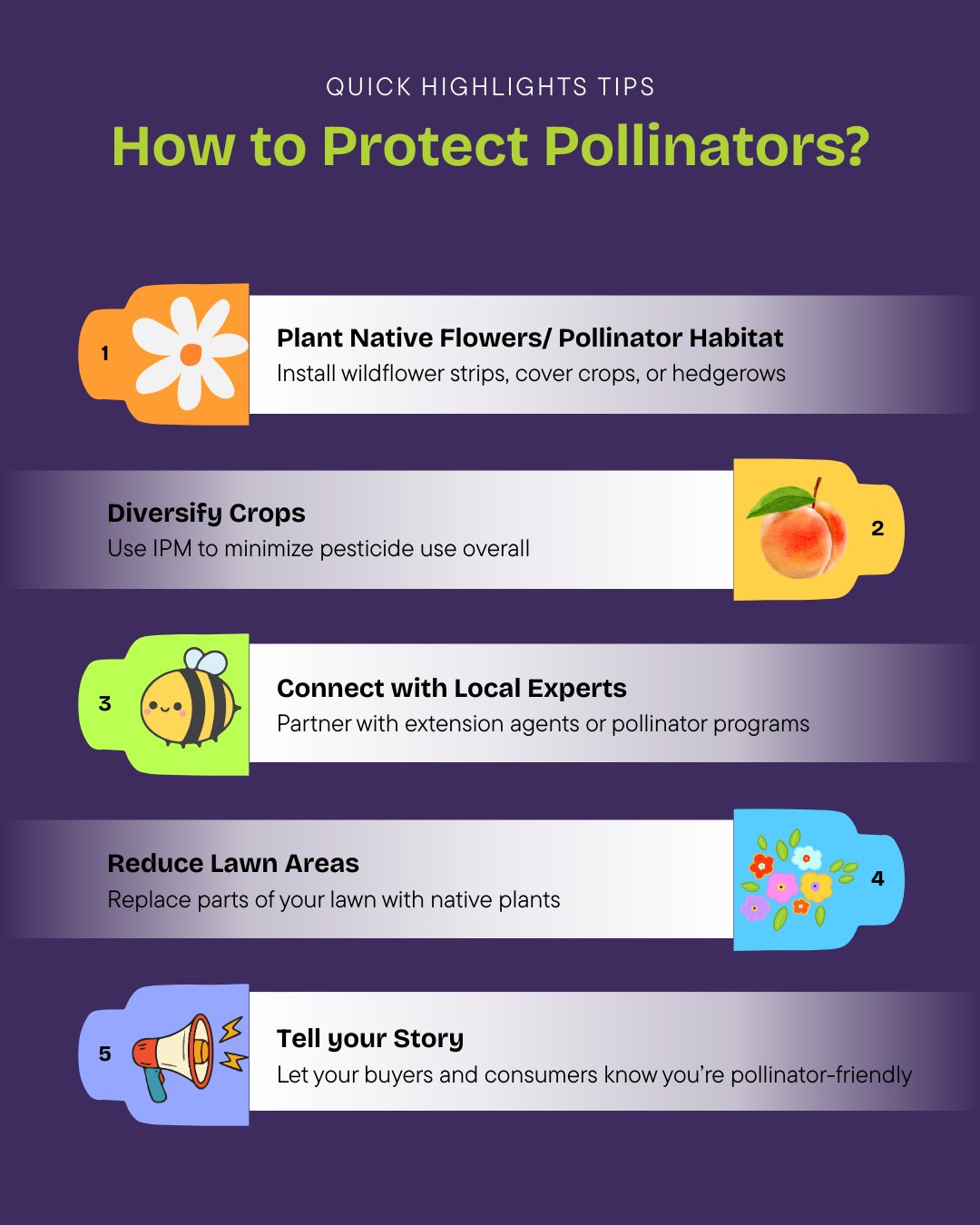
How to Protect Pollinators? Quick Guide for Growers
To protect pollinators, please don’t jump into Spring garden cleanup too soon. Before May, some pollinators will still be hiding out underground, waiting for the warmer days to arrive.
Why Does EFI Celebrate Pollinator Month?
Pollinators are essential for many fruits, vegetables, nuts, and seeds. Crops like almonds, apples, blueberries, strawberries, tomatoes, cucumbers, squash, and melons². Without pollinators, these crops would have lower yields, poorer quality or might not grow at all.
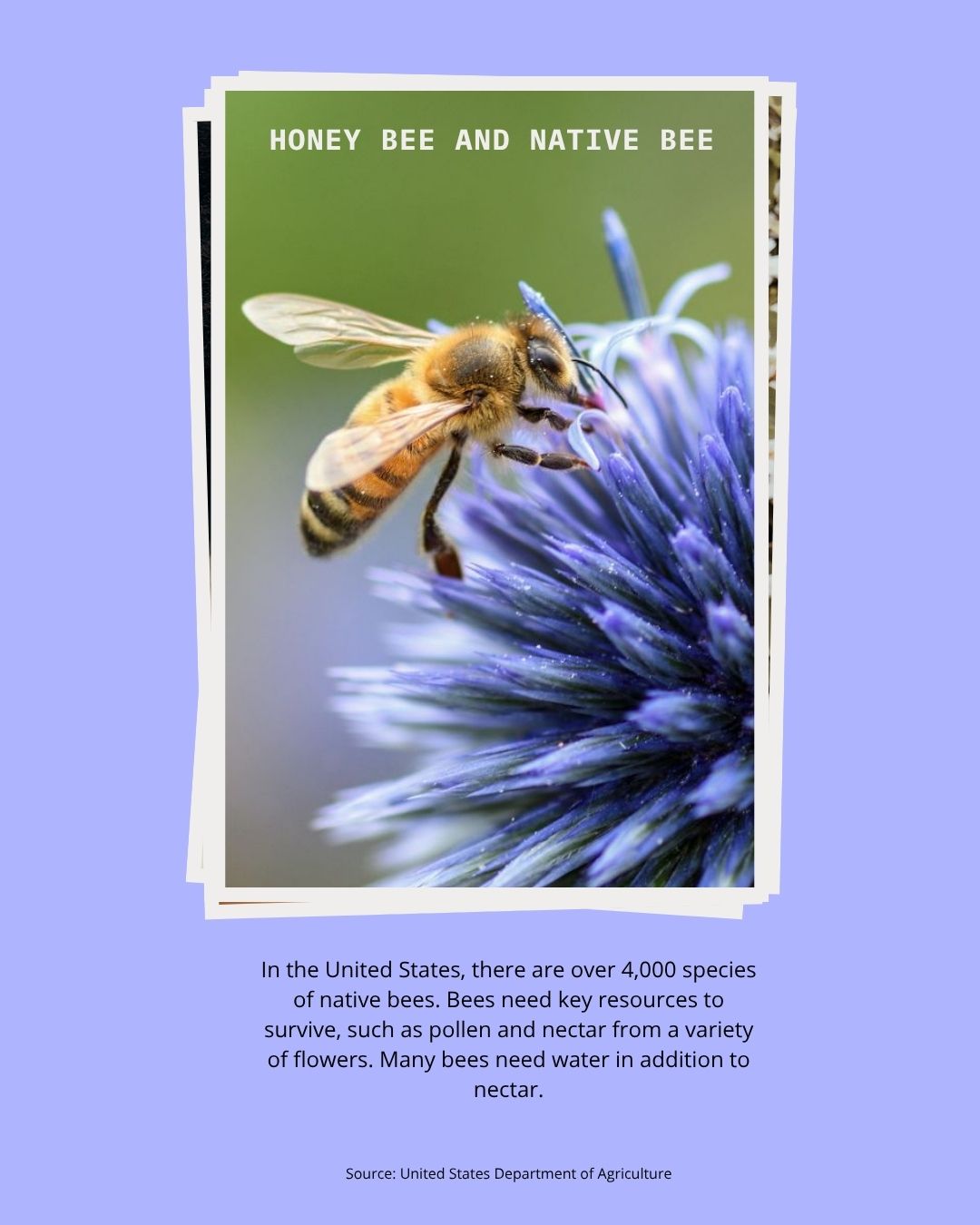
There are over 4,000 species of native bees in North America, including the bumblebees, mason bees, and leafcutter bees, that are excellent pollinators, often more efficient than honey bees for certain crops.³
Pollinators are being threatened by habitat loss, pesticide exposure, climate change, and disease are major threats that reduce pollinator populations.
Pollinators can improve fruit size, shape, taste, and shelf life. For example, strawberries pollinated by bees are often bigger and more evenly shaped.
Fewer pollinators can mean lower crop yields, which can lead to higher prices for things like fruits, nuts and vegetables.
Farms and gardens that plant wildflower strips, hedgerows or leave natural areas help provide nesting and foraging sites for pollinators.
Almonds, apples, avocados, blueberries, melons, pumpkins, and squash are just a few crops that heavily rely on pollinators for yield and quality.
Planting native flowers, avoiding pesticides, and supporting pollinator-friendly farms all make a difference in supporting pollinators.
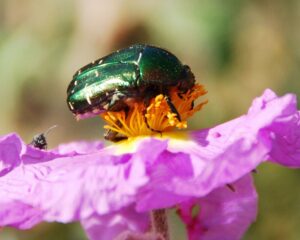
Beetles were the first pollinators on Earth! They’ve been pollinating plants since before bees existed, especially ancient species like magnolias.