Sun & Heat Protection
How to Protect Yourself and Your Colleagues from the Sun and the Heat
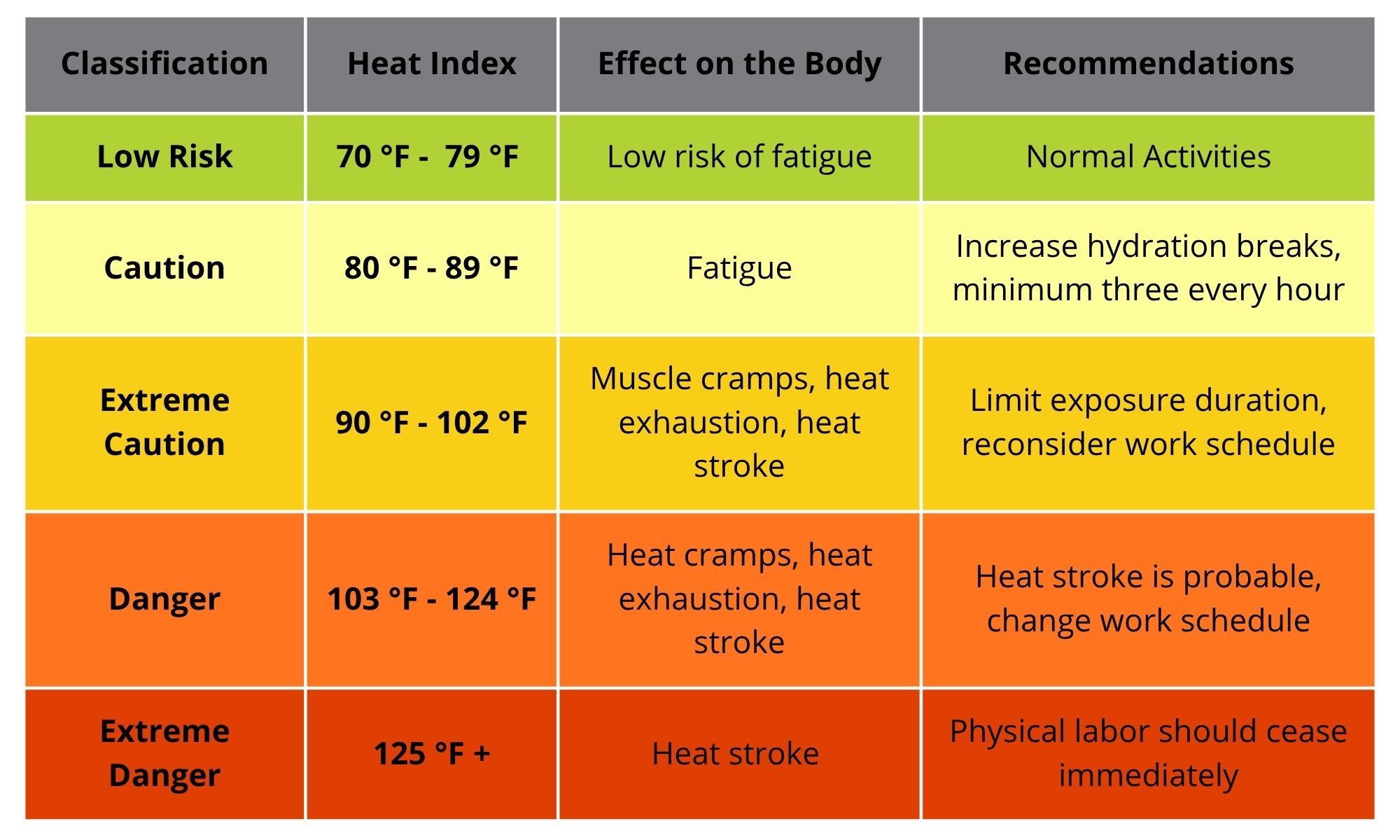
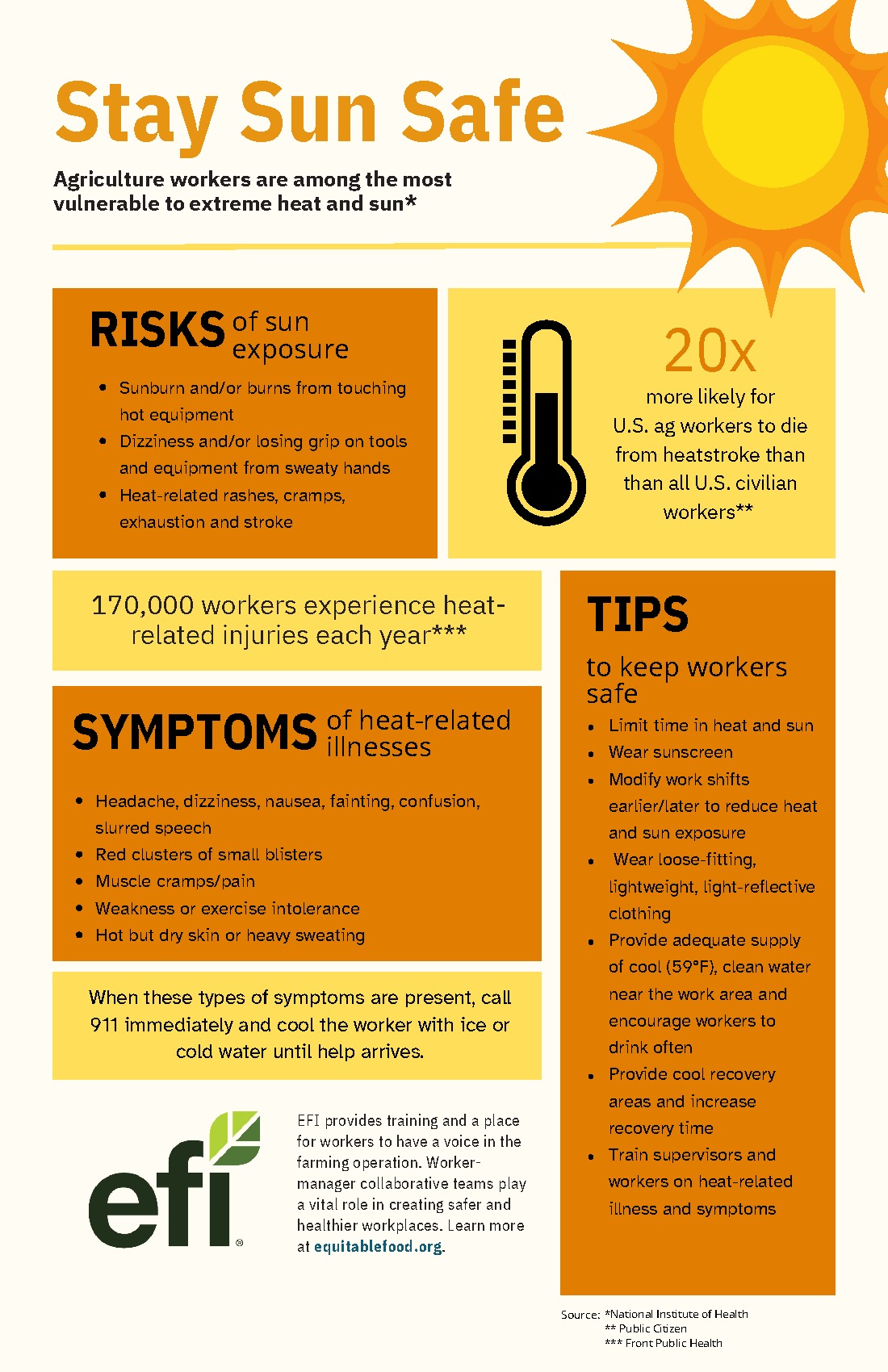
Confusion, slurred speech, or unconsciousness are signs of heat stroke. When these types of symptoms are present, call 911 immediately and cool the worker with ice or cold water until help arrives.
Farmworkers are essential for putting food on our tables every day of the year. While working in the fields is already challenging labor when seasons change and the heat increases across the country, agricultural workers are at major risk of heat stress.
In collaboration with agricultural workers, EFI has developed a comprehensive set of resources and tools aimed at supporting and promoting farmworkers’ safety during the heat season. These resources and tools are designed to enhance workplace safety and health in the agricultural industry.
External Resources
Protect Yourself from Heat Stress – Heat Stress Prevention Training by the Association of Farmworker Opportunity Programs (EN and ES)
Water, Rest, Shade – Pocket Size Brochure by the Association of Farmworker Opportunity Programs (EN and ES)
Train the Trainer – HEAT Toolkit (EN) by University of Washington
Entrenando al Entrenador – HEAT Toolkit (ES) by University of Washington
Heat Illness Toolkit (EN & ES) by University of Washington
The Quest to Protect Farmworkers from Extreme Heat (EN) by MIT Technology Report
Heat-Related Illnesses and First Aid by Occupational Safety and Health Administration
Continuous Improvement to Prevent Heat Fatalities
We are each other’s best line of defense. Taking ten seconds to ask a coworker how they feel can be the difference between a hard day’s work and a preventable tragedy. Look out for one another so everyone goes home safe.
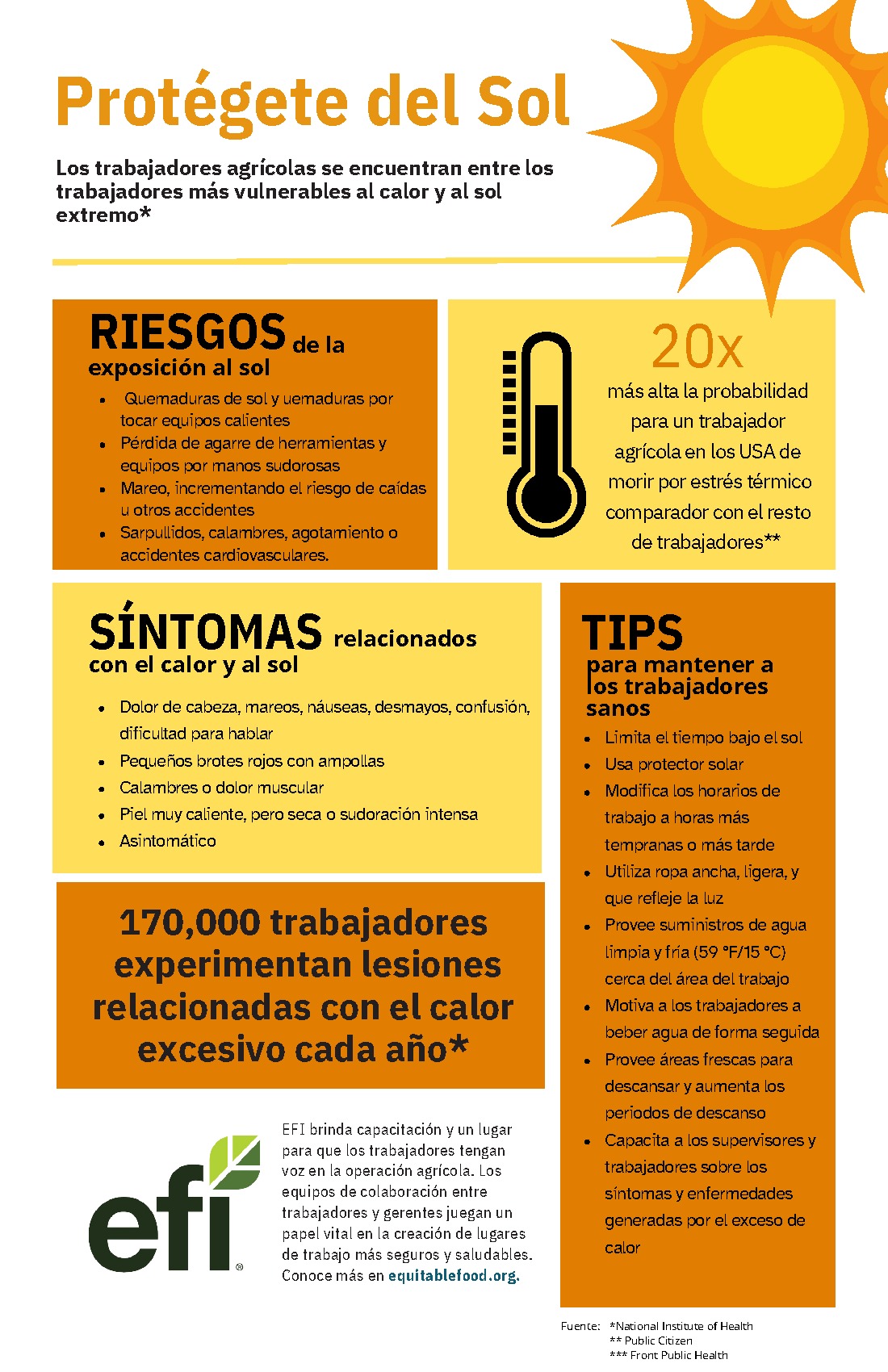
Heat exposure contributes to up to 2,000 worker fatalities in the U.S. each year. Additionally, up to 170,000 workers in the U.S. suffer heat stress-related injuries annually, with workplace injuries increasing by 1% for every 1° Celsius rise in temperature³. Failure to implement simple heat safety measures also has a significant economic impact, costing the U.S. economy nearly $100 billion annually.
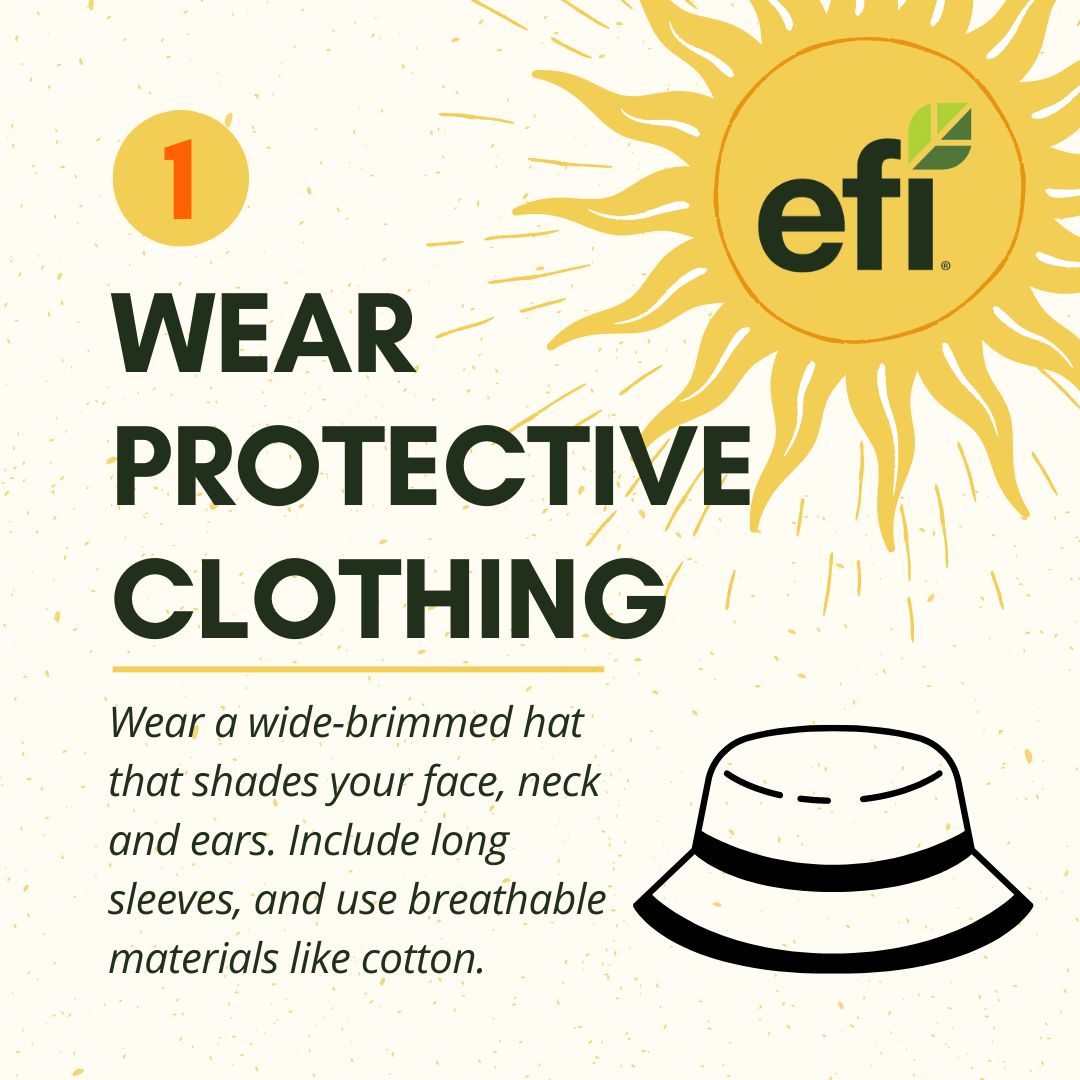
Below are the main steps you can take to protect yourself from the sun and heat²:
Limit exposure duration in hot environments and increase rest periods in cooler areas.
Educate supervisors and employees on recognizing and preventing heat-related illnesses.
Ensure easy access to ample cool, potable water, and promote regular hydration.
Activate heat alert programs during forecasted heatwaves.
Encourage self-monitoring and establish a team comprising workers, healthcare providers, and safety managers to oversee health protocols.
Regularly evaluate work environments for heat hazards by monitoring temperature, humidity, and workload
Recommend lightweight, breathable clothing that protects from direct sunlight and encourages airflow.
Encourage regular breaks in shaded or cooled areas, especially during peak heat hours.
Regularly ask for feedback from employees, review incident reports and update heat-safety protocols accordingly.
Teach workers a two-question rule: If you ask a colleague a question and they hesitate for more than three seconds or give a nonsensical answer, stop work immediately.
On an average day, temperatures in the fields can be 8-10 degrees Fahrenheit hotter than the reported daily high from the National Weather Service¹. During peak production seasons in July and August, farmworkers often spend 12 hours or more in temperatures that frequently exceed 100 degrees Fahrenheit. This extreme heat, coupled with the lack of shaded areas and clean drinking water, makes it difficult for farmworkers to take preventive measures to protect themselves from heat stress.

The Environmental Protection Agency (EPA) reports that Workers’ Compensation claims for heat-related illnesses among farmworkers are the highest of any occupation. Mortality risk is 20 times higher for crop workers in the U.S. than for private industry and non-federal government workers⁴. After the summer of 2023, with its record-breaking heat and devastating consequences for people and crops, there’s an urgent need for effective heat stress prevention strategies.
Shareable Infographics:
EFI remains committed to promoting safe and healthy working conditions across the agricultural sector. By adopting comprehensive sun protection and heat safety practices, employers can not only protect their workers but also enhance their reputation as employers of choice, fostering a positive and productive work environment.
Flyers for the Common Areas:
We believe it’s critical to look after the mental and spiritual health of our employees as much as their physical well- being”
Vernon Peterson, owner of Abundant Harvest Organics.
Other Ways to Support Sun Heat Protection for Farmworkers
The Celebration Nation Foundation: Donate to protect farmworkers from extreme heat. Depending on the amount, your donation will contribute to providing farmworkers with a hat, a cooler towel, and a box of fresh produce.
AFOP: As part of NFAW’s week of action, AFOP will host its annual National Long Sleeve Shirt Drive in multiple states during March. Open the link to see the nearest drop-off locations.
The Farm Link Project: For each product purchased, the partner company will donate a t-shirt/crewneck to support farming communities.